
Product research usually ends at the checkout button. We compare specifications, skim customer reviews and watch someone open the box. Then we hand money to a company whose support operation we have never tested.
A short call before buying can reveal more than another hour of review videos. You learn whether a human answers, whether that person understands the product and whether the written return policy matches what the support team believes will happen.
This is especially useful for products that depend on an app, a subscription, proprietary accessories or a health-related service. The hardware may be excellent while the experience around it is fragile.
Start with one realistic failure
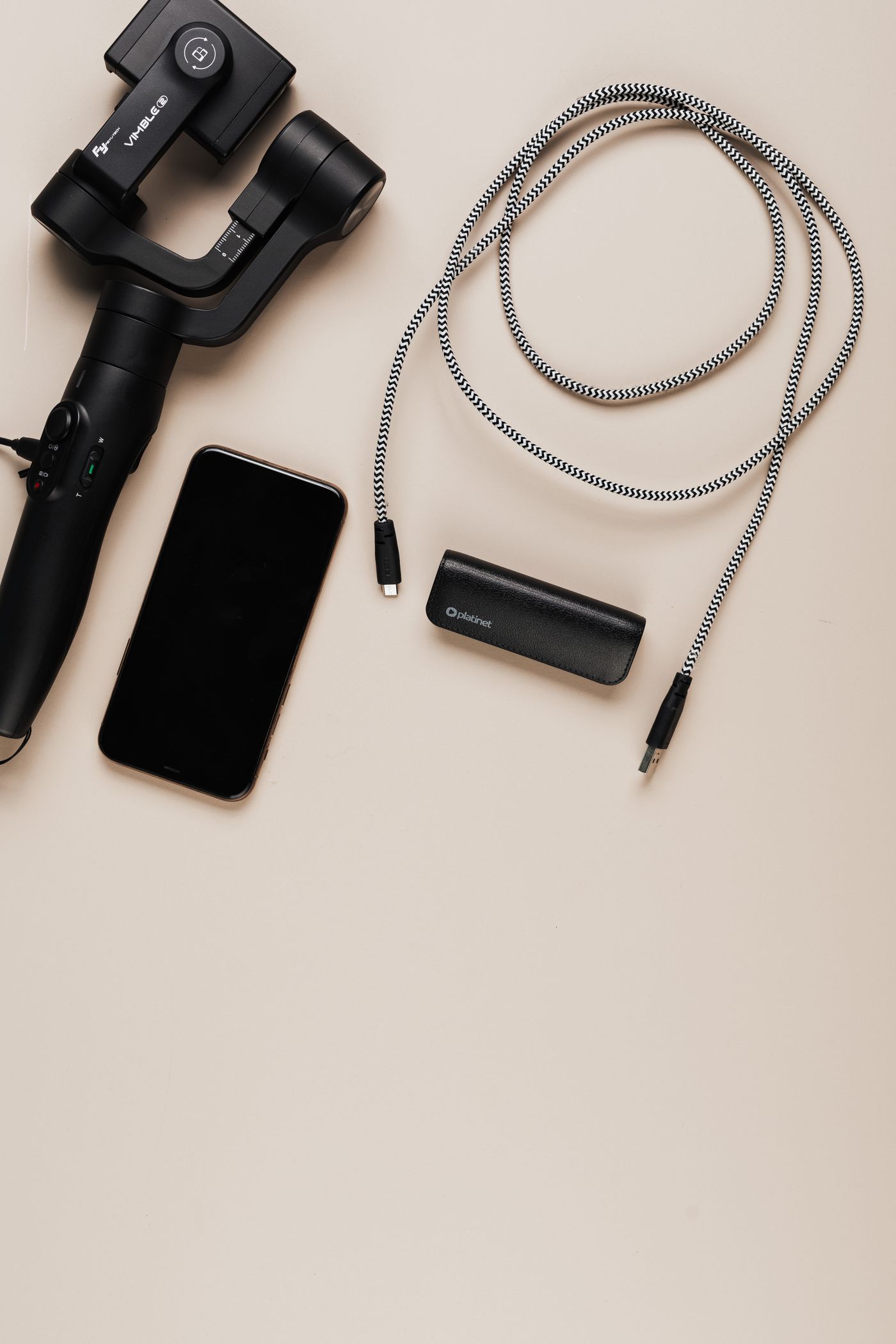
Do not ask whether the company has good customer service. Give the representative a situation: the app stops connecting after forty days, a charger is lost, the battery weakens during the warranty period or the product has been opened and simply does not fit the person using it.
A useful answer should identify the next step, the likely cost and who owns the decision. A vague promise that the team will take care of you is not the same thing as a process.
Call support, not sales
Sales teams are designed to remove purchase friction. Support teams reveal what happens once the sale is complete. Use the support number or chat link listed in the help center and note how difficult it is to reach a person.
The point is not to punish a small company for having a small team. It is to understand the promise. A clear callback within one business day can be more useful than an instant response from someone who cannot make a decision.
Read the policy while someone explains it
Keep the return and warranty pages open during the call. Ask the representative to explain any line that could change the outcome: opened products, personalized items, return shipping, restocking fees, trial periods and proof-of-purchase requirements.
If the product page promises a risk-free trial while another policy says the item is final sale, stop there. Ask which rule controls and request the answer by email. Contradictory policy language is not a small detail when the product costs hundreds of dollars.
A warranty is only as useful as the path a real person must follow to use it.
Check the parts that age before the product
Ask whether batteries, cables, filters, adhesive pads, cases and proprietary chargers can be replaced separately. A good product becomes disposable when one inexpensive part disappears from the catalog.
For app-connected hardware, check the app store before buying. Recent updates, clear release notes and current operating-system compatibility are ownership features. An abandoned app can shorten the useful life of otherwise sound hardware.
- Can the battery or charger be replaced?
- What happens when the phone operating system changes?
- Are setup instructions available without creating an account?
- Can support send the answer in writing?
Save the answer with the receipt
After the call, save the email, policy screenshot and receipt in one folder. Product pages and promotional language change. The information you relied on should be easy to find if the product fails later.
This entire test takes ten minutes. If the company makes those ten minutes confusing before it has your money, expect ownership to require more patience, not less.
Sources and product information
Product details were checked against the manufacturers’ published information at the time of writing.